Employer Services
Obesity is already on your health plan. The question is how you want to pay for it.
Obesity treatment isn’t an added expense—it’s a cost-containment strategy
What We Offer
Every employer is already paying for obesity-related healthcare costs. The choice isn't whether you pay—it's whether to pay proactively through evidence based treatment or reactively through higher claims, hospitalizations, diabetes, heart, disease, joint replacements, and loss productivity.
At Sonawell, we help employers address obesity as the chronic medical condition it is. By identifying at-risk employees early and providing physician-led treatment and ongoing support, organizations can improve employee health while potentially reducing future healthcare expenditures.
The question isn't whether obesity will impact your healthcare costs. The question is whether you want to manage it before complications develop—or pay for those complications later.
-
Treat the disease, not just the complications.
Many expensive health conditions are closely linked to obesity, including sleep apnea, type II diabetes, hypertension, joint pain, and fatty liver disease. Employers often spend thousands of dollars each year, managing these conditions through medications, medical equipment, specialist visits, hospitalizations, and absenteeism.
By treating obesity directly, some employees may experience significant improvement—or even resolution—of obesity related conditions. For example, an employee with obstructive sleep apnea may require ongoing CPAP therapy for life. Weight loss is an FDA-approved treatment for obstructive sleep apnea that offers the possibility of reducing treatment burden rather than committing the employee to lifelong management.
The goal isn't simply preventing future disease. It's reducing the ongoing healthcare utilization and cost associated with obesity related conditions today. Rather than continuously paying to manage complications, employers have an opportunity to address one of the root causes of disease.
-
When medically appropriate, FDA-approved weight loss medications, including GLP-1 receptor agonists, maybe incorporated into an individualized treatment plan. Medication decisions are made between the patient and physician based on medical history, clinical needs, and treatment goals.
Sonawell prescribe only medications obtained through licensed US pharmacies and does not utilize gray market products, unapproved compounded medications, or medication source from overseas suppliers. Employees can be confident that any prescribed treatment meets FDA regulatory standards and is delivered through legitimate, established healthcare channels.
-
This isn’t cosmetic weight loss — it’s cardiometabolic disease management.
Weight loss medications are powerful prescription therapies that require ongoing medical oversight. At SonaWell, employees receive care from a board-certified physician who evaluates their medical history, monitors progress, adjusts treatment when needed, and helps manage side effects throughout the treatment journey.
Unlike some online programs that focus primarily on medication fulfillment, Sonawell provides comprehensive obesity care. Treatment decisions are based on the individual’s health status, goals, response to therapy, and any emerging medical concerns.
The physician-led approach helps improve safety, optimize treatment outcomes, identify potential complications early, and ensure that employees receive the right medication at the right dose for the right duration. Obesity is a chronic medical condition, and we believe it deserves the same level of clinical oversight as any other chronic disease.
-
A prescription is not a treatment plan.
You wouldn't prescribe blood pressure medication without monitoring blood pressure. You wouldn't manage diabetes without checking blood sugar. Obesity treatment should be no different.
GLP-1 medications require careful dose escalation, ongoing monitoring, management of side effects, and periodic reassessment of treatment goals. The goal isn’t simply access to medication—it’s safe, effective, sustainable results.
-
Our revenue comes from disease management, not pharmaceutical sales.
Many weight loss programs generate revenue by selling, manufacturing, or marking up medications. SonaWell operates differenty.
We do not manufacture medications, own a pharmacy, or even dispense prescriptions. When a medication is prescribed, it is dispensed directly through a licensed pharmacy, and patients pay the pharmacy directly with no markup. Our role is providing medical care.
Like most physician practices, we generate revenue though evaluation, treatment, monitoring, and disease management—not medication sales. This allows treatment decisions to remain focused on what is medically appropriate for the patient rather than what generates the highest prescription revenue.
Physician oversight can help reduce unnecessary healthcare spending. Patients are monitored for effectiveness, side effects, medication interactions, and changes in related health conditions. Without appropriate medical supervision, weight loss can lead to avoidable complications, urgent care visits, emergency departments visits, or ineffective treatment.
Better monitoring means less wasteful pharmacy spend and fewer avoidable complications.

Our Process
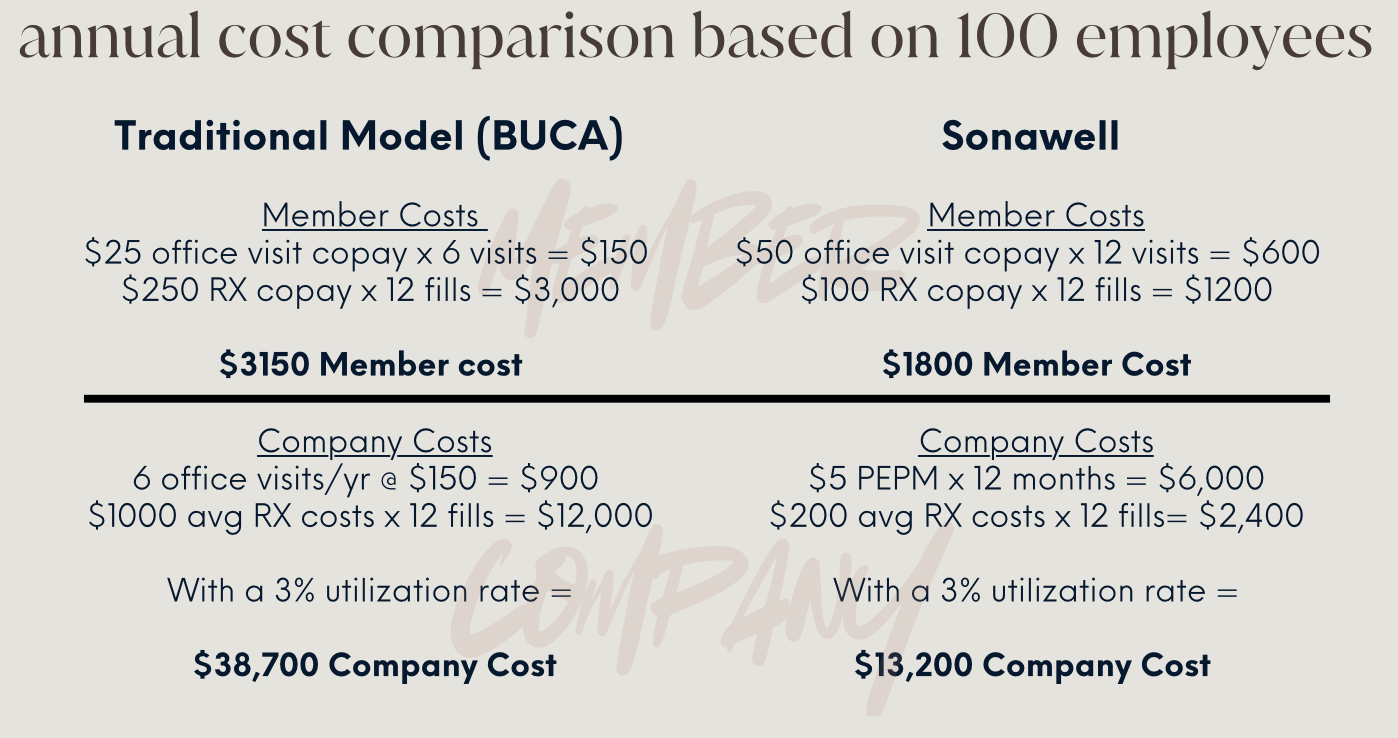
GLP-1 Weight Loss Cost Comparison